PARTNERSHIPS
America Finally Builds Its Own Aluminum
Century Aluminum and EGA are building the first US primary aluminum smelter in 50 years, targeting auto supply chains
9 Jun 2026
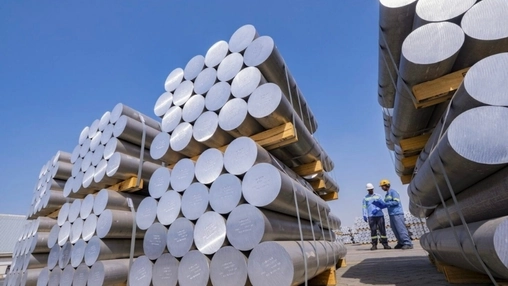
America's aluminum supply chain has had a structural problem for decades. Nearly 85% of US primary aluminum is imported, leaving automakers and Tier-1 suppliers exposed to tariff swings and freight disruptions at precisely the moment lightweighting demands are accelerating. A deal signed in January 2026 starts to fix that.
Century Aluminum and Emirates Global Aluminium have committed to building a 750,000-metric-ton primary aluminum smelter in Inola, Oklahoma, the first facility of its kind to break ground in the United States since 1980. Positioned at the Tulsa Port of Inola on the McClellan-Kerr Arkansas River Navigation System, it sits at the center of a freight corridor feeding automotive manufacturing clusters across Michigan, Alabama, and Tennessee. Construction is targeted to begin before year-end, with full production expected before 2030.
The ownership split is 60-40 in EGA's favor. Each partner brings something the other cannot replicate. EGA contributes its proprietary EX smelting platform, which the partners describe as the most advanced aluminum smelting system ever deployed on American soil. Century brings domestic operational expertise and an established US supply chain infrastructure. Together, the venture is expected to create 1,000 permanent jobs at Inola and 4,000 construction positions during the build phase.
The timing is hard to ignore. Every new vehicle program today demands a lighter platform than its predecessor, and EV architectures require substantial aluminum volumes just to offset battery mass. A domestic primary source at this scale gives OEM procurement teams something they have not had in a generation: a stable upstream foundation for long-term materials planning. Power negotiations with a local utility are still ongoing, which adds some schedule uncertainty to the timeline.
Even so, the Century-EGA partnership addresses a supply chain vulnerability that recent disruptions have made impossible to defer. For engineers and procurement leads building the next generation of lightweight platforms, this is the upstream investment the industry has been waiting on.
Related News


SUBSCRIBE FOR UPDATES
By submitting, you agree to receive email communications from the event organizers, including upcoming promotions and discounted tickets, news, and access to related events.