REGULATORY
Big Auto Wants Two More Years on Emissions
Major automakers urge EPA to delay emission standard enforcement by two years, citing infrastructure gaps, supply chain strain, and slow EV adoption
18 Jun 2026
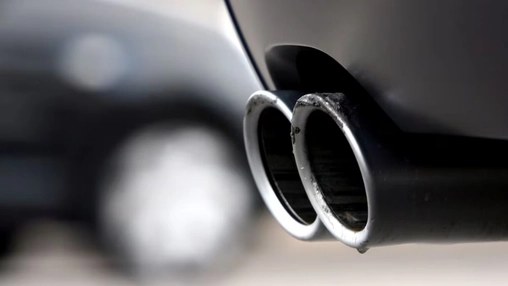
Major automakers are pressing federal regulators to act quickly on rewriting vehicle pollution rules, backing a proposed two-year delay in emission standard enforcement that could reshape the U.S. auto industry's near-term future. General Motors, Ford, Stellantis, and several global peers submitted support for the EPA proposal, citing infrastructure shortfalls, supply chain constraints, and sluggish electric vehicle adoption as barriers to compliance. Billions in stranded investments hang on assumptions regulators now acknowledge may be outdated.
Slow EV uptake sits at the heart of the automakers' argument. The elimination of federal tax credits and China's dominance in battery supply have compounded the problem, making current emission targets increasingly unrealistic, according to Michael Hartrick, senior director and executive adviser at Alliance for Automotive Innovation. Without meaningful policy adjustment, manufacturers face penalties for circumstances largely outside their control.
Charging infrastructure has failed to scale at the pace regulators originally assumed, and that gap has left consumers hesitant. Alliance for Automotive Innovation warned that existing rules were built on projections that no longer reflect market realities, leaving automakers dangerously exposed to penalties they have limited power to avoid through product decisions alone. Volkswagen, Toyota, and Hyundai joined domestic brands in signaling that a course correction is not just preferable but necessary.
Two more years of enforcement flexibility would matter across the entire supply chain. Businesses could retool strategies without triggering regulatory penalties. Consumers might benefit indirectly, too, as automakers gain the flexibility to offer a broader vehicle mix rather than forcing EV mandates into markets not yet ready to absorb them. Dealers, parts suppliers, and fleet operators all stand to gain from a more measured transition.
Regulatory certainty, when it finally arrives, will determine how confidently the industry can commit capital to next-generation platforms and long-cycle manufacturing investments. With the EPA now signaling toward revision, the auto sector appears positioned to align compliance roadmaps with genuine market conditions rather than aspirational targets set in a different era.
Related News


topics on the agenda
ADVANCES IN DISSIMILAR MATERIAL JOINING
DAY 1: undefined
09:30 - 09:55
A HISTORY OF ALUMINUM INNOVATIONS TO ADDRESS AUTOMOTIVE CHALLENGES
DAY 1: undefined
11:30 - 11:55
LIGHTWEIGHTING THROUGH REPLACEMENT OF SMC BY THERMOPLASTICS
DAY 1: undefined
12:00 - 12:25
SUBSCRIBE FOR UPDATES
By submitting, you agree to receive email communications from the event organizers, including upcoming promotions and discounted tickets, news, and access to related events.